
Selecting a kitchen countertop is one of those decisions that seems simple at first—until you realize just how many options are out there. Beyond appearance, a countertop needs to stand up to daily use, resist damage, and complement the way your household actually functions. A good choice balances durability, maintenance, and long-term value.
Understanding How Your Kitchen Is Used
Start by thinking about how your kitchen is used. In a busy household where cooking is frequent, durability should take priority. Materials like granite and quartz are known for their strength and resistance to scratches and heat. Quartz, in particular, offers consistency in pattern and requires very little upkeep, making it a solid choice for those who prefer low maintenance. Granite, while slightly more demanding in care, brings a natural look that many homeowners appreciate.
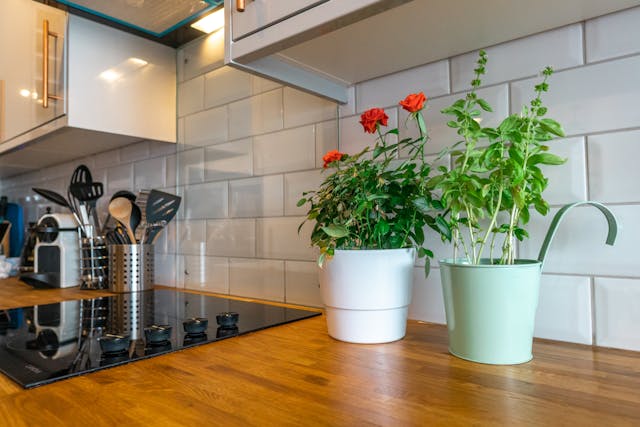
If your kitchen sees lighter use or you value a warm, inviting aesthetic, wood countertops—often called butcher block—can be a great fit. They do require regular sealing and a bit more attention, but they’re forgiving on dishes and easy to repair if scratched. Over time, they develop character that many find appealing.
Balancing Budget and Practicality
Budget is another key factor. Laminate countertops have come a long way in recent years and can mimic the appearance of more expensive materials at a fraction of the cost. While they may not offer the same lifespan as stone surfaces, they are a practical option for many households, especially in secondary kitchens or rental properties.
Considering Maintenance Requirements
Maintenance requirements should not be overlooked. Some materials, like marble, are beautiful but prone to staining and etching. They may be better suited for homeowners who are comfortable with ongoing care and occasional imperfections. On the other hand, solid surface materials provide a seamless look and are relatively easy to maintain, though they can be susceptible to heat damage.
Bringing the Whole Kitchen Together
It’s also worth considering how the countertop interacts with the rest of the kitchen. Color, texture, and edge profile all contribute to the overall feel of the space. A bold countertop can serve as a focal point, while a more neutral surface can tie together cabinets, flooring, and backsplashes without overwhelming the room.
Thinking About Long-Term Value
Finally, think about long-term value. A countertop is not just a design feature—it’s an investment. Choosing a material that aligns with your household’s needs and lifestyle can help avoid premature replacement and ensure satisfaction for years to come.
A well-chosen countertop does more than complete a kitchen—it supports the way the space is used every day. Taking the time to weigh your options carefully will pay off in both function and appearance.