
Water is used every day for drinking, cooking, bathing, cleaning, and laundry. Because it is such an essential part of daily life, many homeowners assume that if water looks clear and tastes normal, it must be safe. Unfortunately, that is not always the case. Some of the most common water contaminants are invisible, odorless, and tasteless.
Regular water quality testing is a practical way to confirm that a home’s water supply is safe and to identify problems before they become costly or hazardous.
Hidden Contaminants Can Go Undetected
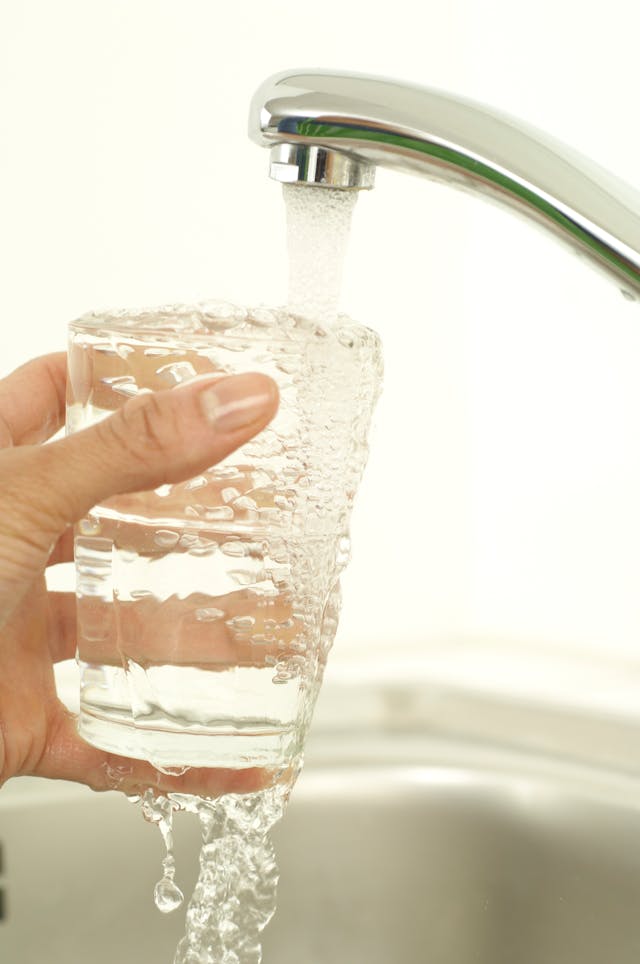
Water can contain substances that are impossible to detect without laboratory analysis. Bacteria, nitrates, lead, arsenic, and other contaminants may be present even when the water appears perfectly clean.
Homes supplied by private wells are especially vulnerable because the homeowner is responsible for monitoring water quality. Municipal water systems are regulated, but contamination can still occur within aging household plumbing, service lines, or water heaters.
Routine testing provides clear answers and removes the guesswork.
Protect Your Family’s Health
The most important reason to test water regularly is to safeguard the health of everyone in the home. Certain contaminants can cause immediate illness, while others may contribute to long-term health concerns.
Young children, older adults, and individuals with weakened immune systems are particularly sensitive to water quality issues. Even low levels of lead or bacteria can create serious risks over time.
Testing helps ensure the water used every day meets acceptable safety standards.
Detect Plumbing Problems Early
Water testing can reveal issues within the home’s plumbing system. Elevated copper may indicate corrosion in pipes, while lead can come from older plumbing materials. Hard water may cause mineral buildup that reduces the efficiency of appliances and shortens the life of fixtures.
Identifying these problems early allows homeowners to take corrective action before damage becomes extensive.
Maintain Water Treatment Systems
Homes with water softeners, filtration units, or reverse osmosis systems should be tested regularly to confirm the equipment is performing as intended. Filters eventually lose effectiveness, and treatment systems may require maintenance or replacement.
Periodic testing verifies that the investment in water treatment continues to provide the expected level of protection.
Recommended Testing Schedule
Private well owners should test their water at least once each year, and additional testing is recommended after flooding, plumbing repairs, or noticeable changes in taste, color, or odor. Municipal water users may also benefit from occasional testing, particularly in older homes.
Peace of Mind for Homeowners
Regular water quality testing offers confidence that one of the home’s most important systems is functioning safely. It is a straightforward, affordable step that helps protect health, preserve plumbing, and ensure dependable water for everyday use.