
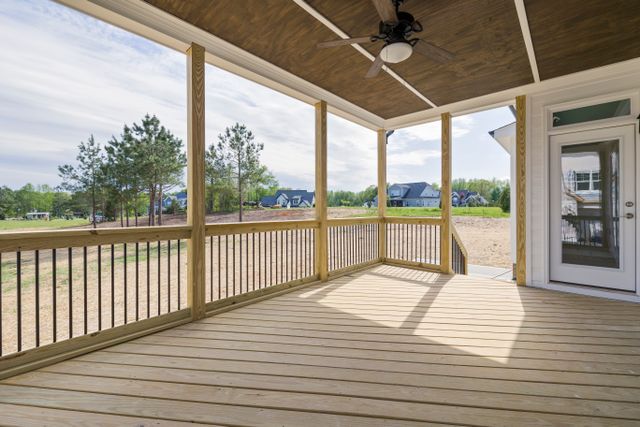
A Safe Deck Isn’t Something to Take for Granted
A backyard deck is one of the most enjoyable features of a home. It’s where families gather, meals are shared, and friends spend time together. Yet because decks are exposed to years of sun, rain, humidity, and changing temperatures, they gradually wear down. Small problems often develop slowly and can go unnoticed until they become expensive—or worse, unsafe.
The good news is that homeowners can perform a simple visual safety check in just a few minutes. While this won’t replace a professional inspection, it can help identify warning signs that deserve closer attention.
Start with the Structure
Take a walk around the outside of the deck and look at the posts, beams, and framing underneath if they are visible. The wood should appear solid, with no major cracks, rot, or areas that look soft or water-damaged. Pay close attention to places where wood meets the ground or where moisture tends to collect, as these areas often deteriorate first.
Metal connectors and fasteners should also be checked. Rust, loose bolts, missing screws, or bent hardware can reduce the deck’s overall strength over time.
Test for Movement
Once on the deck, walk across the surface at a normal pace. The deck should feel stable and secure underfoot. Excessive bouncing, sagging, or noticeable movement may indicate that structural components need further evaluation.
Next, gently push on the guardrails. They should feel firm with very little movement. Loose railings are a common safety concern because they may not provide adequate support if someone leans against them.
Look at the Decking Surface
Inspect the deck boards for cracks, splits, warping, or loose fasteners. Boards that have begun to pull away from the framing or have raised nails or screws can create trip hazards. Replace damaged boards promptly to help prevent injuries and further deterioration.
If the deck has been painted or stained, watch for peeling finishes that may allow moisture to penetrate the wood. Keeping protective coatings in good condition helps extend the life of the deck.
Don’t Forget the Stairs
Deck stairs experience constant foot traffic and should receive special attention. Make sure each step feels solid and level. Check that handrails are secure and that stair treads are free from damage or excessive wear. Even a small amount of looseness can become a larger issue over time.
Small Problems Rarely Stay Small
Regular maintenance is one of the best ways to protect both your investment and your family’s safety. Tightening loose hardware, replacing damaged boards, and sealing exposed wood can often prevent more significant repairs later.
If you discover extensive wood decay, significant movement, loose structural connections, or anything that raises concern, it’s wise to have the deck evaluated before continuing to use it. Addressing issues early is almost always simpler, safer, and less costly than waiting for visible damage to spread.
A few minutes spent checking your deck each season can go a long way toward keeping it safe, sturdy, and ready to enjoy throughout the year.