
A Modern Solution or Just a Temporary Fix?
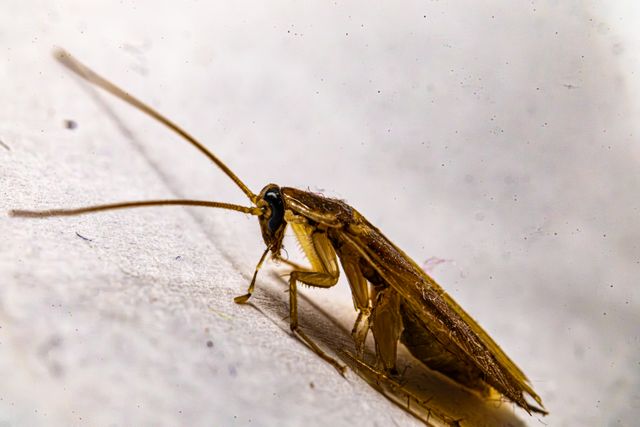
Keeping pests out of a home is a priority for many homeowners, and with so many products available today, ultrasonic pest control devices often catch attention. These small electronic devices claim to repel insects and rodents by producing high-frequency sound waves that are unpleasant or disruptive to pests while remaining unnoticed by most people.
The idea sounds simple: plug in a device, let it run, and enjoy a pest-free home. But does this technology actually deliver the results homeowners are hoping for? The answer is a little more complicated.
How Ultrasonic Pest Control Devices Work
Ultrasonic pest control devices are designed to emit sound frequencies that are supposed to discourage pests such as mice, rats, cockroaches, ants, and spiders from staying in an area. Manufacturers often advertise that these sounds create an uncomfortable environment for pests, encouraging them to leave.
The biggest appeal is that these devices are easy to use. They do not involve sprays, traps, or chemicals, which makes them attractive to families looking for a cleaner or more convenient option. However, pest behavior is not always predictable, and a single device may not address the conditions that are attracting pests in the first place.
Are Ultrasonic Devices Actually Effective?
Research and real-world experiences have shown mixed results. Some homeowners report noticing fewer pests after using ultrasonic devices, while others see little to no difference. One reason is that pests often adapt to their surroundings. What may initially bother them can become something they simply ignore over time.
Another important factor is coverage. Many devices only affect a limited area, and sound waves do not travel well through walls, furniture, or other obstacles. A device placed in one room may have little impact on pests hiding in another area of the home.
For common household pests, controlling moisture, sealing entry points, removing food sources, and maintaining a clean environment are usually much more reliable steps.
The Importance of Addressing the Source
Pest problems typically happen for a reason. Small openings around doors, windows, plumbing penetrations, garages, and foundations can provide easy access. Leaky pipes, standing water, and improperly stored food can also create inviting conditions.
An ultrasonic device may be used as an additional tool, but it should not replace basic prevention methods. If pests already have access to shelter and food, a sound-based solution alone is unlikely to solve the problem.
Final Thoughts: Worth Trying or Not?
Ultrasonic pest control devices are an interesting piece of technology, but they should be viewed with realistic expectations. They may help in certain situations, but they are not a guaranteed solution for eliminating household pests.
A successful pest control plan usually starts with understanding why pests are present and correcting those conditions. Combining prevention, proper maintenance, and targeted treatments when needed will provide better long-term results than relying on any single product.
For homeowners looking for a simple fix, ultrasonic devices may seem appealing. Just remember that keeping pests away often comes down to the basics: remove what attracts them, block how they enter, and stay ahead of potential problems.