
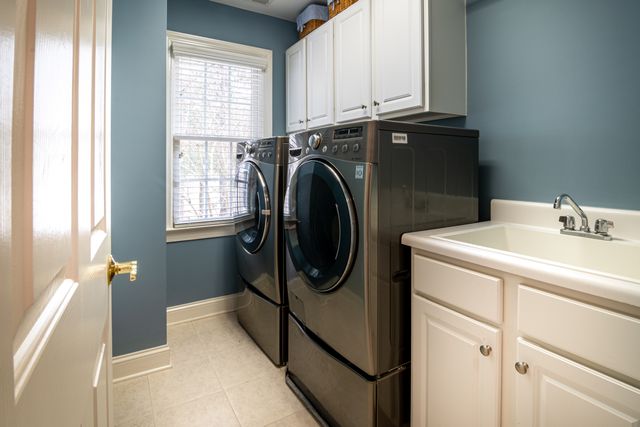
The laundry room is easy to overlook when thinking about household fire hazards. It rarely attracts the same attention as a kitchen or fireplace, yet it contains an appliance that produces substantial heat, runs for extended periods, and handles large amounts of lint.
That combination makes the clothes dryer one of the areas of the home that deserves regular attention.
Why Dryer Fires Happen
Every load of laundry releases tiny fibers from clothing and linens. Much of that material is caught by the lint filter, but some can travel beyond it and collect inside the exhaust system. As the accumulation grows, airflow can become restricted.
Poor airflow matters because a dryer needs to move heat and moisture out of the appliance. When the exhaust path is obstructed, the dryer may run hotter and work harder. Lint is combustible, so allowing it to accumulate near a heat source creates an avoidable fire risk.
A dryer that suddenly takes much longer to dry a normal load can be giving you an important warning.
Look Beyond the Lint Filter
Cleaning the lint screen after every load is a simple habit, but it is only part of dryer maintenance.
Inspect the exhaust connection behind the appliance. The vent should discharge outdoors, and the duct should be arranged to provide a clear path for air. Flexible plastic or thin foil ducts that are easily crushed or kinked can create problems. A properly installed metal exhaust duct is generally a more durable choice.
The exterior vent hood should also be checked. It should open freely when the dryer is operating and should not be blocked by lint, debris, or other obstructions.
Keep Combustible Materials Away
Laundry rooms often become convenient storage areas, but the space around the dryer should remain clear. Cardboard boxes, paper goods, cleaning supplies, clothing, and other combustible items should not be piled against or beside an appliance that produces heat.
Never place clothing or other materials on top of the dryer where they could fall against hot components or obstruct ventilation.
Items exposed to gasoline, solvents, stains from cooking oils, or similar flammable substances require particular care. Follow the clothing manufacturer’s and appliance manufacturer’s instructions before putting such items in a dryer.
Know When to Stop Using It
A burning odor, unusual heat, scorching, repeated shutdowns, strange noises, or a noticeable change in drying performance should not be ignored.
If something about the dryer seems abnormal, stop using it until the problem has been evaluated. Continuing to operate an appliance that may have an electrical, mechanical, or ventilation defect can turn a minor maintenance issue into a serious safety concern.
A Few Minutes Can Prevent a Big Problem
A safer laundry room is largely a matter of routine. Clean the lint filter, keep the exhaust path clear, maintain the area around the appliance, and pay attention to changes in performance.
The dryer may be one of the hardest-working appliances in the house. Giving it the right conditions to operate safely is a small task that can help reduce the risk of a devastating dryer fire.